Home » News » Advancing Pediatric Mental Health Care at Sheba
Advancing Pediatric Mental Health Care at Sheba
At Sheba Medical Center's Ward D, Israel's only pediatric psychiatric inpatient unit within a general children's hospital, children facing acute mental health challenges receive individualized, family-centered care designed to support healing and long-term well-being.
Published: September 22, 2026
For a child facing a serious mental health crisis, healing requires more than medical treatment. It requires understanding, stability, innovation, and a family that feels supported every step of the way.
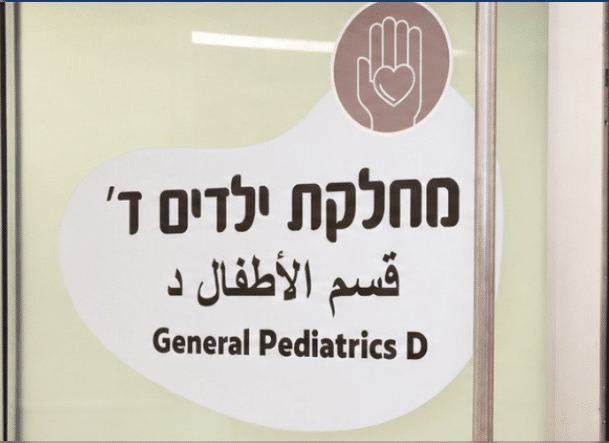
At Sheba Medical Center, that philosophy is at the heart of Ward D, Israel’s only closed pediatric psychiatric inpatient unit located within a general children’s hospital. Housed within the Edmond and Lily Safra Children’s Hospital, Ward D provides specialized care for children ages 6 to 12 experiencing some of the country’s most acute mental health challenges.
Ward D represents something fundamental to Sheba’s mission: bringing compassionate care, research, and innovation together to create better possibilities for patients and families.
Treating the Child and Supporting the Family
Under the leadership of Dr. Mariela Mosheva, Ward D takes a deeply individualized approach to pediatric mental health. Rather than separating a child’s treatment from the family experience, parents become active participants in care. A parent stays with the child during the first week of hospitalization, and families receive guidance, participate in therapy, and connect with others navigating similar challenges.
The goal is not simply to help a child through an immediate crisis. It is to better understand what is driving that crisis and give children and their families the tools and support they need to move forward.
As Dr. Mosheva explains, treatment is not something clinicians do to a family. It is something they build together.
Using Innovation to Better Understand Each Child
Sheba is also applying its culture of research and innovation to some of the most difficult questions in pediatric mental health.
Researchers are exploring whether wearable technology could identify physiological signs of distress before they become visible through a child’s behavior. By tracking factors such as pulse variation, skin conduction, and movement, researchers hope to better understand each child’s individual patterns and, eventually, give care teams an opportunity to intervene before a crisis escalates.
Ward D is also exploring how artificial intelligence can help clinicians incorporate parents’ observations alongside what medical teams see in the hospital. The aim is not to replace human judgment, but to provide a fuller picture of the child and strengthen collaboration between families and care teams.
Other research underway at Ward D is examining biological markers that could reveal differences among children who may share the same psychiatric diagnosis, potentially paving the way toward more personalized approaches to treatment.
Building a Healthier Future for Children
What makes Ward D distinctive is not any single technology, treatment, or research project. It is the way they come together around each child.
At Sheba, advancing the science of pediatric mental health and creating an environment where children and families can heal are part of the same mission. Research informs care, families become partners, and innovation is pursued with the goal of improving real lives.
Through AFSMC, our community in the United States has an opportunity to stand behind this work and the physicians, researchers, and care teams who are seeking better answers for children facing some of their most difficult moments.
Together, we can help Sheba continue advancing a future in which every child has the opportunity not simply to overcome a crisis, but to heal, grow, and thrive.