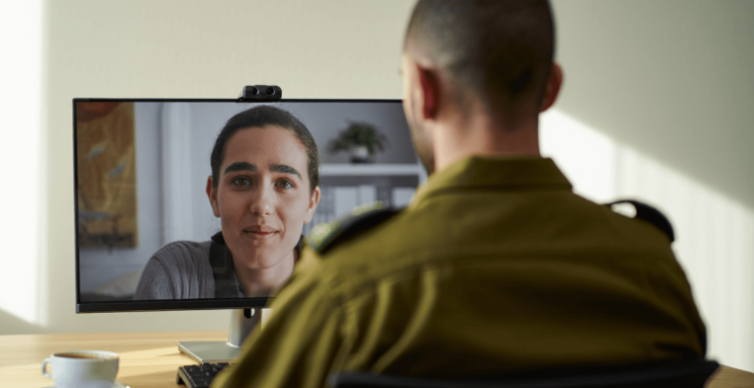
After service ends, many lone soldiers face the emotional toll of military life without the support systems most rely on.
Through the Lone Soldiers Program Resilience Center, Sheba Medical Center provides free, specialized mental health care.
Published: May 21, 2026
They Served Without A Safety Net. Now They Have One.
Every year, thousands of young men and women leave behind their homes, families, and support systems to serve in the Israel Defense Forces as lone soldiers. They arrive from around the world with courage and conviction—committed to something larger than themselves.
But when their service ends, a different challenge begins.
Without family nearby, many must navigate the emotional aftermath of service alone—coping with trauma, stress, and the difficult transition back to civilian life. For too many, the silence that follows service can feel overwhelming.
A Critical Gap in Care
Recognizing this urgent need, Sheba Medical Center, in partnership with Nefesh B’Nefesh and Friends of the IDF, established the Lone Soldiers Program Resilience Center—an innovative initiative designed to support those who served without a traditional safety net.
Each year, approximately 3,500 lone soldiers enlist, often leaving behind everything familiar. While they serve with resilience and strength, the emotional toll does not end when their uniforms come off.
The Resilience Center was created to ensure that no soldier has to face that burden alone.
Supporting Soldiers Beyond Service
The journey from military service to civilian life is complex. Many former lone soldiers carry invisible wounds long after their service ends, often without the support network others rely on.
The Resilience Center offers more than therapy—it provides a pathway back to stability.
With expert guidance and compassionate care, former soldiers gain the tools to:
Process trauma and manage stress
Restore a sense of balance and independence
Rebuild their lives with confidence and clarity
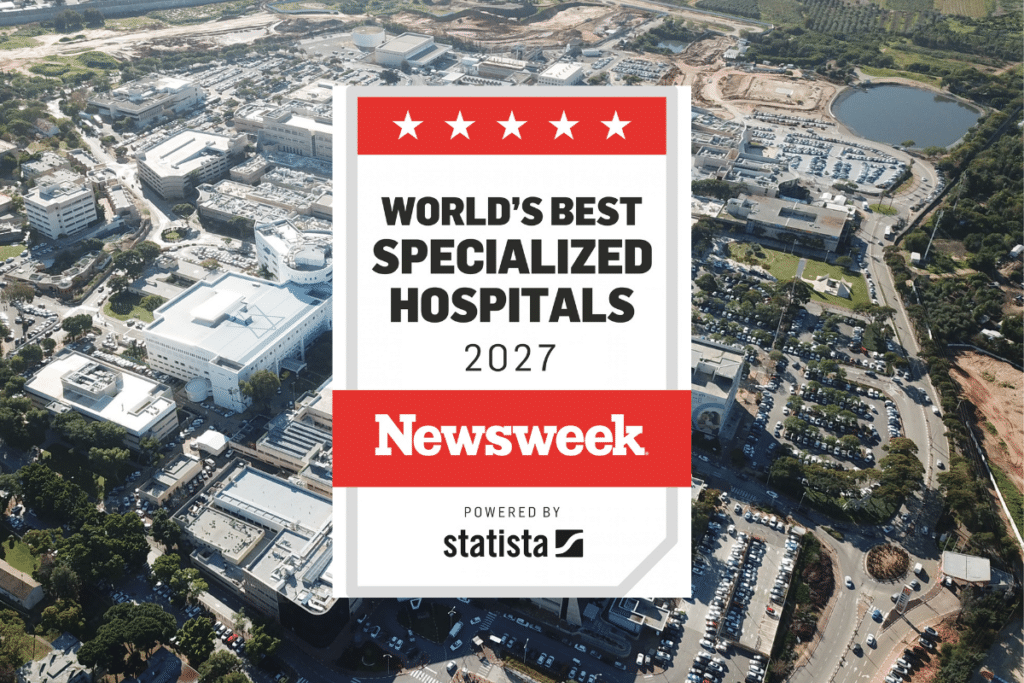
This holistic approach reflects Sheba Medical Center’s broader leadership in mental health and rehabilitation—ensuring care that addresses both the immediate and long-term impact of service.
Your support strengthens Sheba’s ability to deliver advanced patient care, respond in moments of crisis, and accelerate medical innovation with global impact.